ABOUT
Surgical Treatments
Discectomy
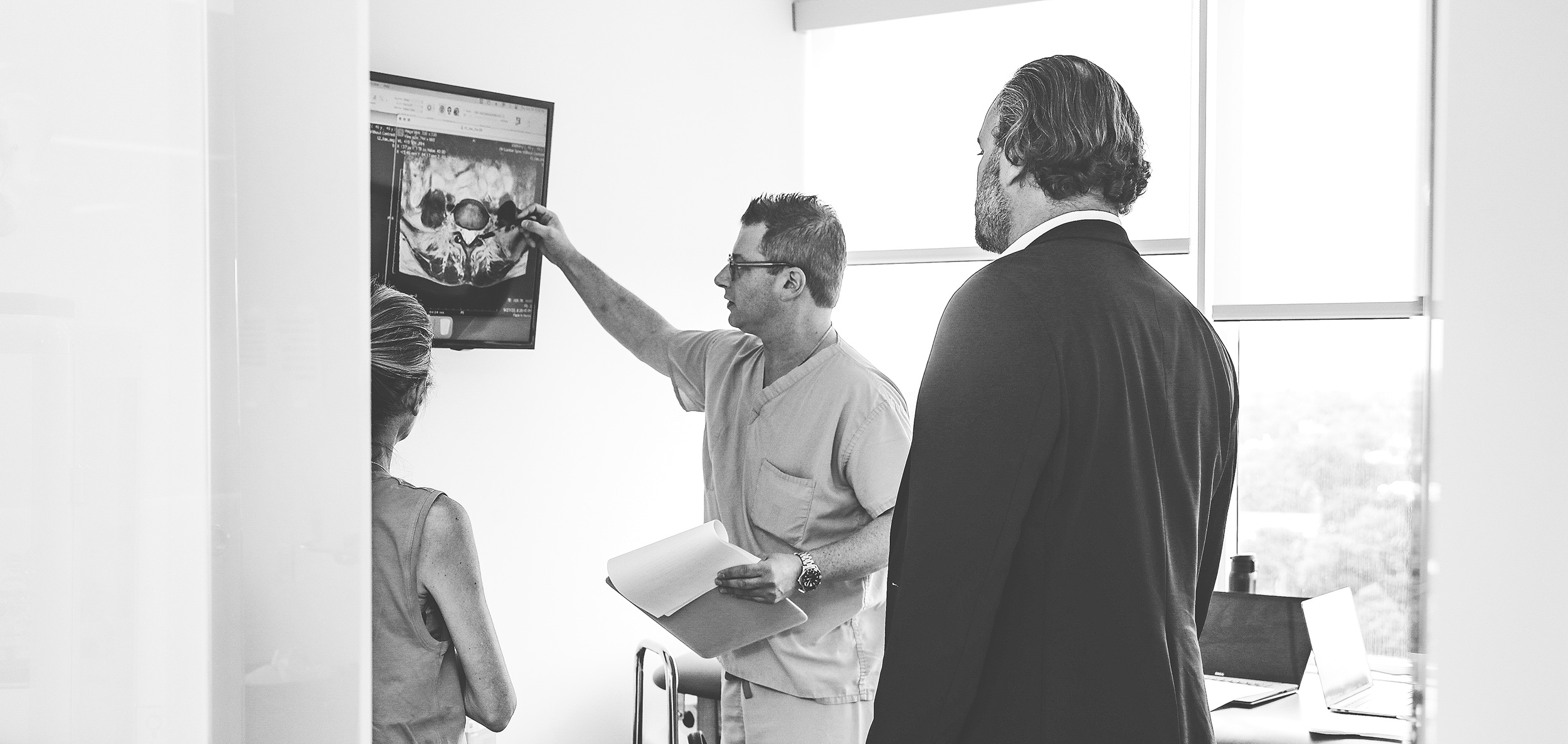
A Discectomy is a surgical procedure performed to treat pain that is caused by a prolapsed or herniated disc in either the neck or back. It relieves compression of the spinal cord or spinal nerve by removing the portion of the disc that is herniated or bulging beyond its usual boundaries.
Discectomy is usually recommended to patients who experience chronic pain (caused by the prolapsed disc) that has not been alleviated by rest, medications, or injections. Surgeons also suggest this type of procedure to individuals who developed progressive neurological deficits or signs and symptoms below:
- Weakness, numbness, and loss of sensation
- Chronic pain that has not been alleviated by rest, medications, or injections
- Immobility as a result of pain or weakness
- Nerve damage that affects nerve function
- Cauda Equina syndrome – a serious condition that results from nerve impingement
Decompression Surgery
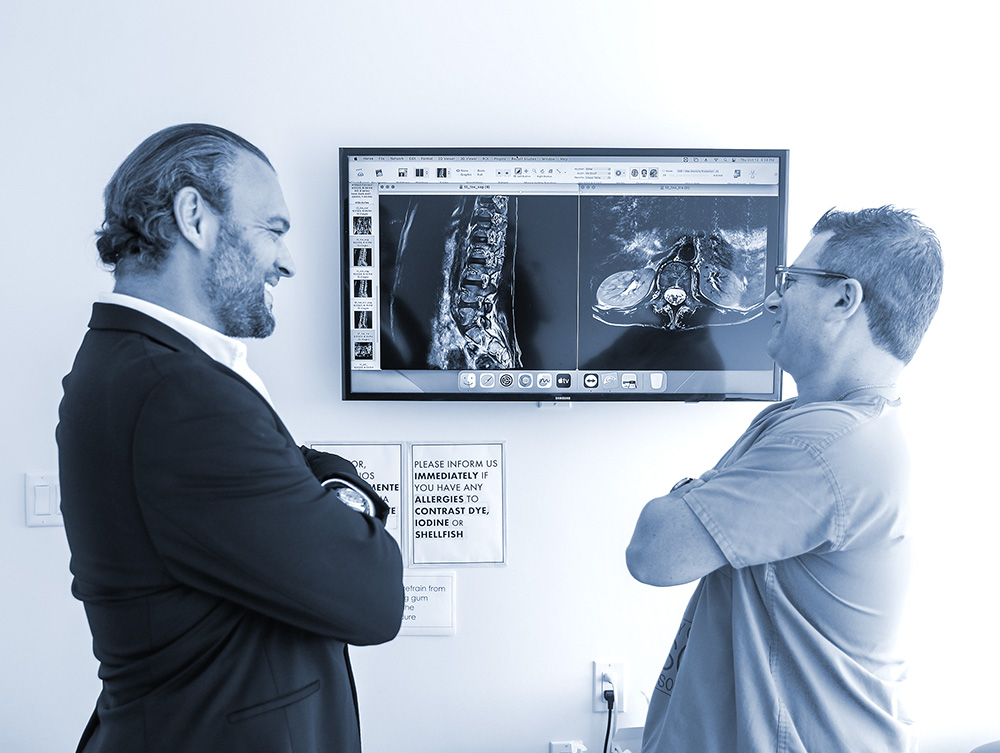
Decompression surgery is any surgery that relieves compression of the spinal cord or spinal nerves. If the compression results from a disc herniation, the surgery is a discectomy. If the compression is because of a narrowed spinal canal that is placing pressure on the spinal cord or nerve roots, this surgery is a laminectomy. A laminectomy removes the back wall of the spinal canal to create more space for the spinal cord.
Minimally Invasive Spine Surgery
Minimally invasive spinal surgery does not apply to any particular type of surgery. The goal of this type of spinal surgery is to achieve the same effect as with traditional surgery but to do so through small incisions. This type of surgery is often done through small tubes resulting in less trauma to muscles.
There are minimally invasive techniques for several types of spinal surgeries including discectomy and fusion. However, this method cannot be applied to all patients. Often minimally invasive surgery techniques are used in conjunction with other spinal surgery procedures to treat a variety of neck and back conditions.
Total Disc Replacement
As spinal discs degenerate, they may become painful and can limit function and decrease quality of life. Total disc replacement (TDR), one of the latest advancements in spine surgery, is a common procedure for treating painful disc degeneration or disruption.
This type of surgery is typically recommended only after extensive non-surgical therapies have failed to significantly provide pain relief.
As spinal discs degenerate, they may become painful and can limit function and decrease quality of life. Total disc replacement (TDR), one of the latest advancements in spine surgery, is a common procedure for treating painful disc degeneration or disruption. This type of surgery is typically recommended only after extensive non-surgical therapies have failed to significantly provide pain relief.
In preparation for having a disc replacement, a bone density scan will be obtained. This is a simple study, in which a non-radiation scanner counter passes over your body to record how much calcium is in your bones. You will undergo the normal pre-operative blood testing, so we can make certain there is no evidence of any infection.
Therefore, after the surgery is done and the surgeon removes the diseased disc and replaces a custom-made artificial disc in terms of size, height, and angle.
Fusion Surgery
Spinal Fusion is a surgical procedure performed to “fuse” two or more vertebrae together. It is done with the use of a bone graft material and surgical hardware such as plates, rods, or screws to allow healing of the affected area as one solid unit. Fusion surgery is performed to help reduce back pain or neck pain resulting from a number of diagnoses. This surgery is considered only after conservative measures have not provided significant relief. Select from the two surgery procedures below to learn more.
There are multiple ways to fuse a spinal segment. The surgical approach and the exact type of spinal fusion performed depend on the individual’s pain complaints, history of previous surgery, medical health, and spinal structure. The number of levels involved in the fusion depends on the disc levels identified as problematic through diagnostic studies prior to surgery. The particular fusion graft or device to use during surgery will be determined by the surgeon. This decision is based upon individual anatomy, levels of involvement, patient’s medical health, and overall patient safety.
Spinal fusion is designed to reduce movement and immobilize the affected vertebrae making the spine more stable. This technique helps prevent further compression or damage to the spinal cord and nerves by decreasing the added stress that may accelerate with the progression of wear and tear.
The spine is made up of interconnected bones termed the vertebra, which starts from the base of the skull and ends at the tailbone at the lower back. Each bony vertebra sits on top of one another forming the vertebral column. In between each of these vertebral bodies lays a disc cushion called intervertebral discs.
These discs serve as shock absorbers, linking the vertebrae together. These discs also permit the bending and twisting motion of the spine, along with the help of facet joints. Protected within the spinal column is the spinal cord that connects the brain to the rest of the entire body. Spinal nerves arise from this nerve bundle in pairs, one on every side of the vertebra.
Symptoms
- Trauma resulting in a fractured spine or broken vertebra
- Spinal deformities – as a result of scoliosis or kyphosis
- Spondylosis – a degenerative arthritic disorder that may result in a loss of normal spinal curvature, structure, and function
- Weakness or instability of the spine – causing nerve impingement, and pain
- SpondyloIesthesis – a condition wherein one vertebra slides forward relative to the one below
- Herniated or damaged intervertebral discs – also known as ‘slipped disc’, is a condition in which the disc bulges out causing pressure on a spinal nerve